
Sourcing & records
What to Look for in a Ghee Laboratory Report
Learn how to match a ghee laboratory report to a product and batch, read its test scope and avoid treating one result as proof of every claim.
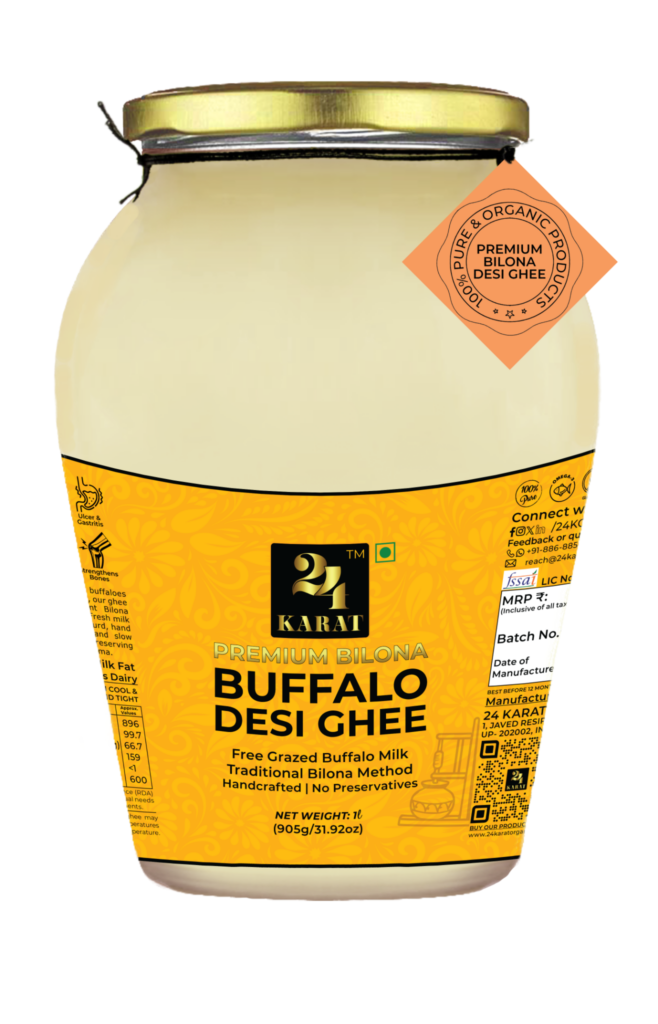
24 KARAT product image
IN THIS JOURNAL
01 Match the sample to the product
02 Read the parameters and units
A laboratory report can answer a specific question about a sample. Its value depends on knowing what was submitted, what was tested and how the result relates to the product being discussed. The first task is therefore identification, not searching for a single impressive number or a seal that appears to settle every question about a jar.
01
Match the sample to the product
Look for the laboratory identity, report reference, sample description, dates and any batch or lot identifier. Compare those details with the product information available to you. A report for a different product, an older lot or an unidentified sample needs explanation before it can be used as evidence for your jar. A document can look genuine and still answer a different question.
02
Read the parameters and units
Reports list particular tests and results in particular units. A result only has meaning within the method and parameter concerned. Different checks may address moisture, milk-fat characteristics or specific kinds of adulteration. They should not be collapsed into one universal promise that every possible unwanted substance has been ruled out. Ask the laboratory or a suitably qualified person to interpret technical results when needed.
03
Check the scope of a claim
The phrase “lab tested” does not identify whether a check was in-house or third-party, which tests were performed or which batch was sampled. Those details need to come from the actual report and its explanation. A nutrition panel, a sourcing record and an authenticity test may complement one another, but they are not interchangeable documents and should not be presented as if each proves all the others.
04
Keep standards and certification distinct
A reference to a standard is not automatically a certification held by the brand. Similarly, a report covering one sample does not establish a permanent result for every future batch. For any numerical requirement or certification claim, ask for the current applicable information and documentation. Copying an indicative threshold from marketing into a decision about a jar can create false certainty.
05
Ask a narrow, useful follow-up
Start with the concern you are trying to resolve: a declared composition value, a specific authenticity question or whether a document relates to your batch. Provide the product and batch details and ask what evidence is relevant. This approach makes a technical conversation manageable. It also keeps the report in its proper role: evidence about what was actually tested, rather than a medical endorsement or a replacement for the complete product label.
TAKE IT INTO THE KITCHEN
A few things to remember
- Match the report identity, sample and batch information.
- Read test names and units, not only a pass/fail impression.
- Ask for competent interpretation when the method or result is unclear.
KEEP EXPLORING
The next page in the journal.
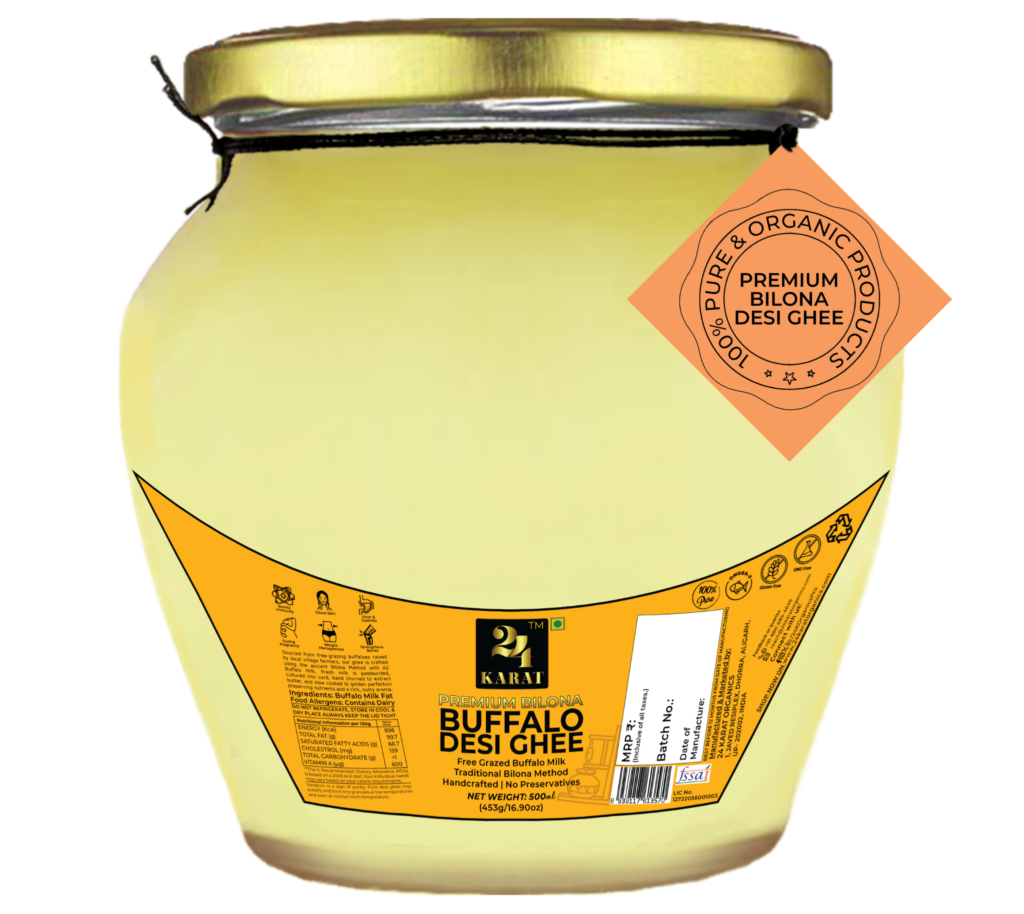
Ghee Traceability: What a Batch Record Can Tell You
Understand ghee traceability, batch records and the questions that connect a finished jar to its ingredients, process and supporting information.

From Milk Collection to Curd: Questions Worth Asking
Explore the practical questions behind milk collection, clean handling and preparation for curd without confusing farm imagery with evidence.
How to Read a Ghee Label Before Opening the Jar
A practical guide to reading a ghee label: ingredients, net quantity, batch details, dates, storage directions and the questions to ask next.
THE CRAFT BEHIND THE JAR
Keep the questions clear.
Explore the complete bilona process or find a straight answer in our FAQ collection.