
Everyday rituals
After the Last Spoonful: Reusing a Ghee Jar
Explore thoughtful ghee-jar reuse, why clean dry storage matters and why a reusable container is not proof of every environmental or product claim.
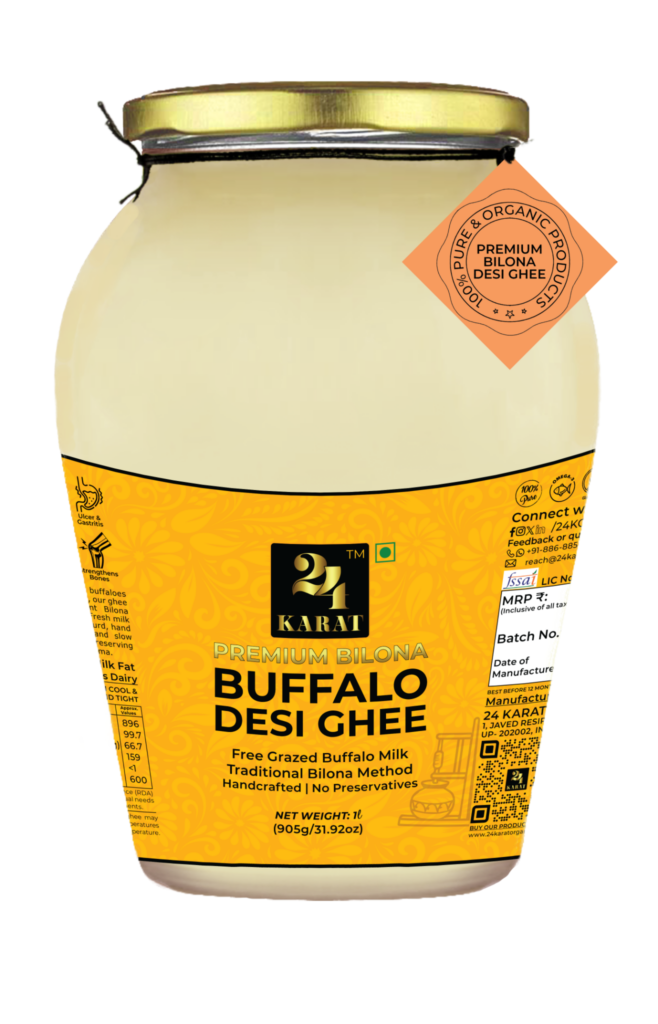
24 KARAT product image
IN THIS JOURNAL
01 Start with the container’s condition
03 Keep the new contents identifiable
The end of a jar can be the beginning of another use. A clean, dry glass container can have a practical place in a kitchen, but reuse should suit the condition of the jar and the purpose you have in mind. The useful story is a small everyday habit, not a promise that one package solves every environmental question.
01
Start with the container’s condition
Check the glass and lid before deciding to reuse the jar. A cracked container, damaged rim or lid that no longer closes properly is different from a sound jar with a little remaining fat. Do not return a damaged container to ordinary food storage simply because its original contents were familiar. Choose a use that fits the container rather than forcing it into a role it cannot perform well.
02
Clean, then dry completely
Remove the remaining food residue and wash the jar and lid appropriately before reuse. Let both dry fully before storing dry ingredients. Trapped moisture works against the reason you chose a closed container in the first place. If a label or lingering aroma makes the jar inconvenient for a particular use, choose another suitable use rather than assuming every container must store every kind of food.
03
Keep the new contents identifiable
A reused branded jar no longer tells someone what is inside once its original ghee has been used. Label the new contents clearly and avoid confusion with a sealed product. This is especially useful when a household has several similar containers. Reuse is a household choice; it is not a reason to represent a refilled jar as a newly packed product from the brand.
04
Do not confuse reuse with a refill programme
A jar suitable for reuse does not establish that the store offers refills or accepts returned packaging. Check the current offering before assuming such a service is available. The same distinction applies to recycling: options depend on local facilities and the material. A general preference for glass should not be presented as a blanket environmental certification for every package and every destination.
05
Make the habit proportionate
Reuse is most helpful when it is practical, clean and repeated sensibly. Choose a few useful containers rather than keeping damaged or unsuitable jars indefinitely. The original package still has its first job: protecting the food and carrying the product information. After that job is finished, a considered second use can be a small part of reducing household waste without turning it into an exaggerated claim.
TAKE IT INTO THE KITCHEN
A few things to remember
- Inspect the jar and lid before reusing them.
- Clean and dry fully for the intended contents.
- Label new contents and confirm any store refill scheme separately.
KEEP EXPLORING
The next page in the journal.
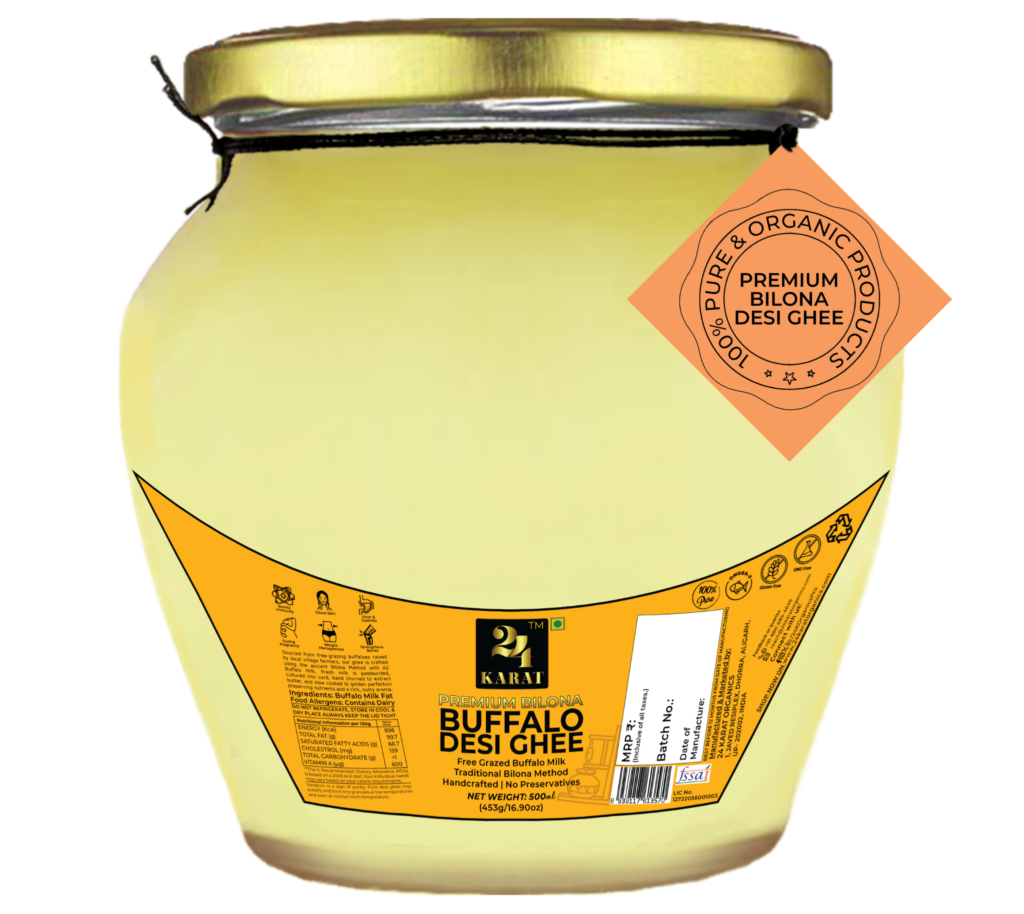
Storing Ghee at Home: The Small Habits That Matter
A practical guide to storing ghee: a closed lid, a cool dry place, clean utensils and the difference between texture changes and quality concerns.

Cooking with Ghee: Tempering, Roasting and Finishing
Explore three practical ways to cook with ghee—tempering, roasting and finishing—and learn why controlled heat matters more than a smoke-point slogan.
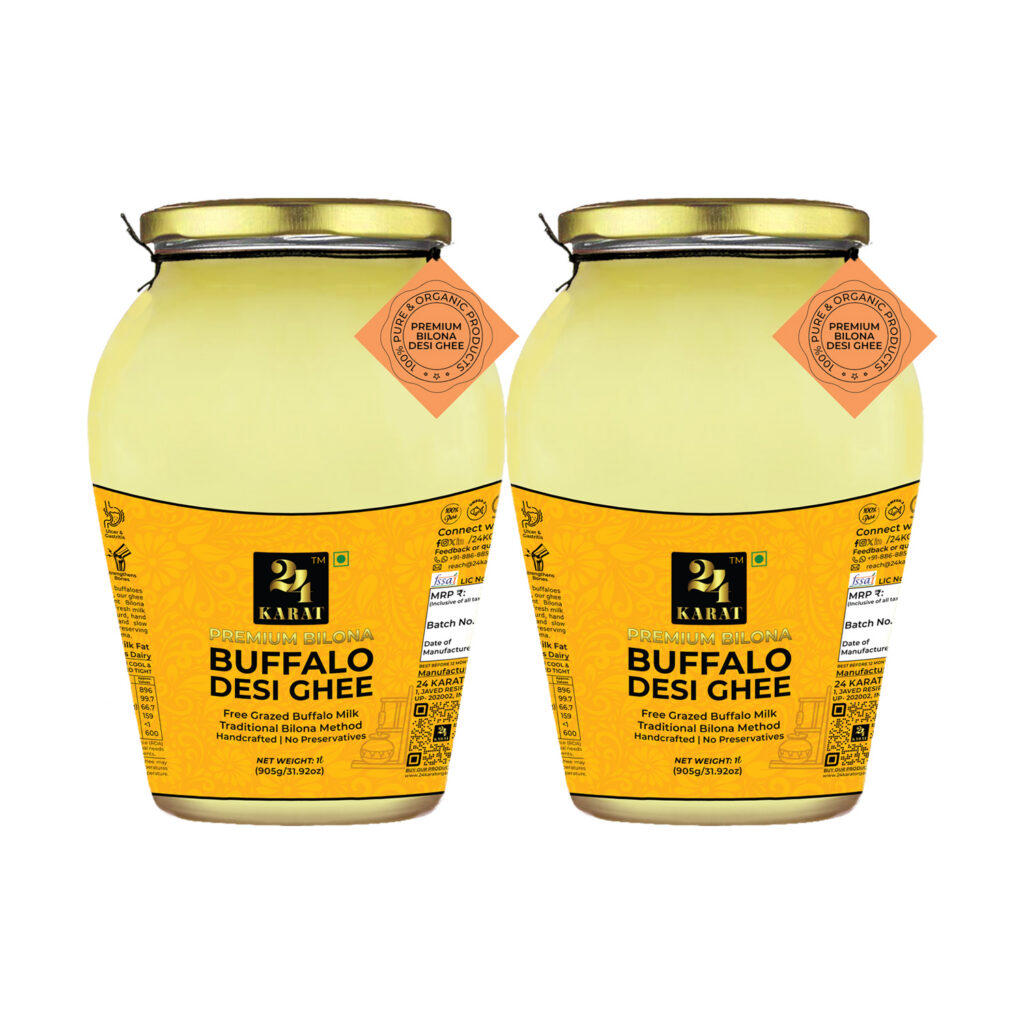
Choosing a Ghee Jar Size for the Way You Cook
Compare ghee pack sizes using household cooking habits, declared quantity and current unit value instead of assuming the largest jar is always best.
THE CRAFT BEHIND THE JAR
Keep the questions clear.
Explore the complete bilona process or find a straight answer in our FAQ collection.